 Digestie și detoxifiere
B5 – păzitorul vitalității și frumuseții
„E doar o altă vitamină... sau nu?”, ne gândim probabil cu toții, dar cu cât aflăm mai multe despre acidul pantotenic, cu atât ne fascinează mai mult. Vitamina B5 joacă un rol esențial în transformarea alimentelor în energie, susține concentrarea, starea de bine mentală și chiar regenerarea pielii. Fără ea, organismul nu ar putea produce corect hormonii și nici nu ar putea combate stresul. Este, de asemenea, o substanță care se ascunde în fiecare celulă a corpului nostru, ne însoțește încă de la naștere și contribuie la un nivel adecvat de energie, la sănătatea pielii și la agerimea minții. Deși s-ar putea să o trecem cu vederea, importanța ei este incontestabilă, iar denumirea sa nu este întâmplătoare. Provine din cuvântul grecesc „panto”, care înseamnă „pretutindeni”. Și, într-adevăr, este omniprezentă, de neînlocuit și oarecum misterioasă. Dacă începem să analizăm în ce se găsește această vitamină esențială, vom descoperi că se regăsește în ouă, nuci, produse integrale, crustacee, avocado, somon, ficat, rinichi, carne de vită, drojdie, legume... Iar dacă tocmai ne-am dat seama că dieta noastră este săracă în aceste alimente, ar trebui să optăm pentru un supliment de vitamina B5. După doar câteva zile, am observa deja o schimbare. Ne-am trezi cu mai multă energie, mintea ne-ar fi mai limpede și am observa chiar o îmbunătățire a tenului. Colegii nu ar trece cu vederea faptul că lucrăm mai repede, suntem mai creativi și mai puțin stresați. Acidul pantotenic ne va ajuta să ne revenim la forma optimă. Iar pentru noi, acesta nu va mai fi doar o substanță oarecare din lista vitaminelor.
 Sănătate
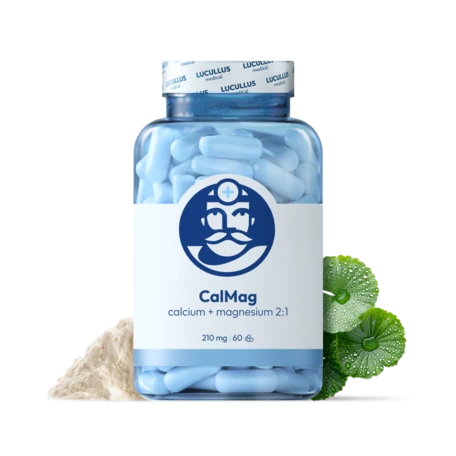
Magneziul – cel mai important mineral?
Dacă întrebați orice sportiv (în special sportivii de anduranță) ce supliment nutritiv au întotdeauna la ei pentru competiții, răspunsul cel mai frecvent va fi „magneziu”. Magneziul este cu siguranță unul dintre cele mai importante minerale pentru organismul nostru. Este un mineral așa-numit „deficit”, deoarece îl eliminăm din organism în timpul efortului fizic excesiv, dar și atunci când nu facem exerciții fizice! Este suficient să trăim într-un mediu zgomotos, stresant și solicitant...
Oțetul de mere este unul dintre cele mai populare produse naturale, cu o gamă largă de beneficii pentru sănătate. Oțetul de mere este apreciat de secole pentru efectele sale benefice asupra sănătății, printre care se numără stimularea digestiei, reglarea greutății, menținerea unui nivel stabil al zahărului din sânge și îmbunătățirea sănătății cardiovasculare.
 Imunitate și vitalitate
Oțet de mere, ... nu doar pentru manechine
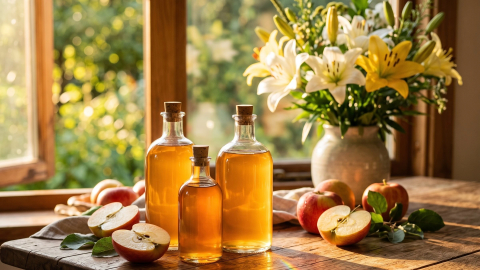
Oțetul de mere este unul dintre cele mai populare produse naturale, cu o gamă largă de beneficii pentru sănătate. Oțetul de mere este apreciat de secole pentru efectele sale benefice asupra sănătății, printre care se numără stimularea digestiei, reglarea greutății, menținerea unui nivel stabil al zahărului din sânge și îmbunătățirea sănătății cardiovasculare.
Reishi, o ciupercă folosită încă de acum 4.000 de ani. Ciuperca divină a nemuririi – în trecut, se credea că poate învia chiar și morții. Are un loc deosebit de important în medicina chineză (sub numele de lingzhi), unde a fost menționată pentru prima dată în scris cu 200 de ani înainte de Hristos. O întreagă armată a fost trimisă să o caute, deoarece curtea imperială chineză credea că poate fi folosită pentru a prepara un elixir al nemuririi. Numele slovac probabil nu vă spune prea multe – Leskokôrovka hnedočervená, este de fapt o ciupercă parazită care descompune lemnul și trăiește în principal pe copacii răniți. Are un spectru larg de substanțe biologice. Efectele sale sunt descrise și în enciclopedia profesională Huby ako .
 Imunitate și vitalitate
Reishi – ciuperca nemuririi
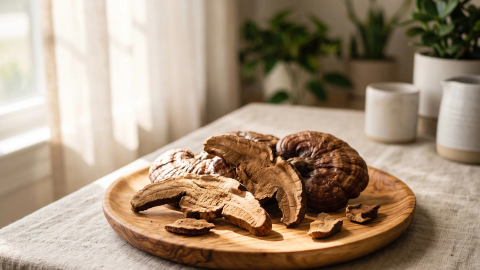
Reishi, o ciupercă folosită încă de acum 4.000 de ani. Ciuperca divină a nemuririi – în trecut, se credea că poate învia chiar și morții. Are un loc deosebit de important în medicina chineză (sub numele de lingzhi), unde a fost menționată pentru prima dată în scris cu 200 de ani înainte de Hristos. O întreagă armată a fost trimisă să o caute, deoarece curtea imperială chineză credea că poate fi folosită pentru a prepara un elixir al nemuririi. Numele slovac probabil nu vă spune prea multe – Leskokôrovka hnedočervená, este de fapt o ciupercă parazită care descompune lemnul și trăiește în principal pe copacii răniți. Are un spectru larg de substanțe biologice. Efectele sale sunt descrise și în enciclopedia profesională Huby ako .
Imaginați-vă că organismul dumneavoastră este o fabrică care funcționează la capacitate maximă (pentru a furniza energie, creștere, repararea celulelor), iar fierul este combustibilul care o menține în funcțiune. Dacă rezervele de fier sunt epuizate, puteți simți slăbiciune, palpitații cardiace sau pielea mai palidă. Simptomele deficitului de fier includ unghii fragile, păr uscat, dificultăți de respirație, probleme de somn, concentrare redusă, extremități reci, frecvență crescută a infecțiilor și anemie (lipsa globulelor roșii cauzată de un nivel prea scăzut de fier în organism), care se manifestă prin oboseală extremă. În cazul anemiei, organismul nu este alimentat cu suficient oxigen și se epuizează rapid. Vânătăile pot fi, de asemenea, un semn al deficitului de fier, deoarece acest mineral este important în formarea hemoglobinei, care susține funcționarea corectă a trombocitelor.
 Imunitate și vitalitate
Fierul – secretul sănătății și energiei dumneavoastră
Imaginați-vă că organismul dumneavoastră este o fabrică care funcționează la capacitate maximă (pentru a furniza energie, creștere, repararea celulelor), iar fierul este combustibilul care o menține în funcțiune. Dacă rezervele de fier sunt epuizate, puteți simți slăbiciune, palpitații cardiace sau pielea mai palidă. Simptomele deficitului de fier includ unghii fragile, păr uscat, dificultăți de respirație, probleme de somn, concentrare redusă, extremități reci, frecvență crescută a infecțiilor și anemie (lipsa globulelor roșii cauzată de un nivel prea scăzut de fier în organism), care se manifestă prin oboseală extremă. În cazul anemiei, organismul nu este alimentat cu suficient oxigen și se epuizează rapid. Vânătăile pot fi, de asemenea, un semn al deficitului de fier, deoarece acest mineral este important în formarea hemoglobinei, care susține funcționarea corectă a trombocitelor.
În plus față de suplimente, funcționare și diverse suplimente, corpul nostru are nevoie de 100% și de așa-numitele substanțe urme. Denumirea "urme" înseamnă că organismul nostru are nevoie de ea doar în cantități mici. Avem nevoie de 10mg de zinc pe zi, care este de 37 de ori mai mic în comparație cu magneziul (375mg). S-ar părea că vorbim despre o inutilitate totală. Cu toate acestea, contrariul este adevărat. Zincul afectează peste 200 de reacții biochimice din corpul nostru!
 Sănătate
Zincul – combatantul oboselii
În plus față de suplimente, funcționare și diverse suplimente, corpul nostru are nevoie de 100% și de așa-numitele substanțe urme. Denumirea "urme" înseamnă că organismul nostru are nevoie de ea doar în cantități mici. Avem nevoie de 10mg de zinc pe zi, care este de 37 de ori mai mic în comparație cu magneziul (375mg). S-ar părea că vorbim despre o inutilitate totală. Cu toate acestea, contrariul este adevărat. Zincul afectează peste 200 de reacții biochimice din corpul nostru!
Din timpuri imemoriale, oamenii au căutat plante și ciuperci miraculoase care să promoveze sănătatea, să vindece boli mortale și să sporească potența masculină. Fiecare cultură are propriile sale afrodisiace garantate. În țara noastră, stridiile și ciocolata sunt deosebit de cunoscute. Recent, însă, odată cu dezvoltarea turismului, începem să aflăm treptat despre alte stimulente pe care oamenii le folosesc, adesea în cealaltă parte a planetei. Una dintre cele mai vechi substanțe pentru promovarea potenței este maca peruviană.
 Imunitate și vitalitate
Maca – ginsengul peruvian
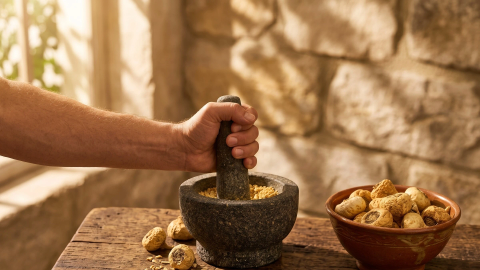
Din timpuri imemoriale, oamenii au căutat plante și ciuperci miraculoase care să promoveze sănătatea, să vindece boli mortale și să sporească potența masculină. Fiecare cultură are propriile sale afrodisiace garantate. În țara noastră, stridiile și ciocolata sunt deosebit de cunoscute. Recent, însă, odată cu dezvoltarea turismului, începem să aflăm treptat despre alte stimulente pe care oamenii le folosesc, adesea în cealaltă parte a planetei. Una dintre cele mai vechi substanțe pentru promovarea potenței este maca peruviană.
Dacă sunteți activ pe rețelele de socializare, cu siguranță sunteți familiarizat cu termenul „armurariu”. Este fenomenul anului 2024, cu reclame pentru această „plantă miraculoasă” peste tot unde vă uitați. Spre deosebire de alte suplimente alimentare, nimeni nu pune la îndoială efectele acestei plante. Opiniile diferă doar în ceea ce privește produsele individuale și metodele de procesare. Ce este atât de miraculos la acest ciulin?
 Sănătate
Armuarul și ficatul
Dacă sunteți activ pe rețelele de socializare, cu siguranță sunteți familiarizat cu termenul „armurariu”. Este fenomenul anului 2024, cu reclame pentru această „plantă miraculoasă” peste tot unde vă uitați. Spre deosebire de alte suplimente alimentare, nimeni nu pune la îndoială efectele acestei plante. Opiniile diferă doar în ceea ce privește produsele individuale și metodele de procesare. Ce este atât de miraculos la acest ciulin?
Nu ați auzit de această ciupercă fascinantă, cu aspectul și modul de viață neobișnuit? Denumiri precum „ciuperca omidă chineză”, „aurul Himalaya” sau „ciuperca longevității” nu dezvăluie prea multe...
 Energie
Cordyceps sinensis, cu un ciclu de viață incredibil
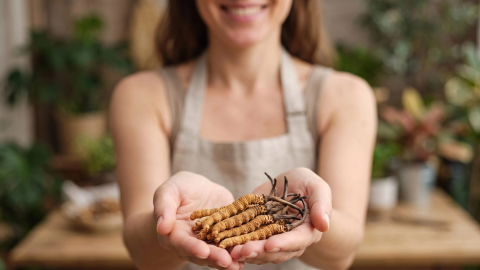
Nu ați auzit de această ciupercă fascinantă, cu aspectul și modul de viață neobișnuit? Denumiri precum „ciuperca omidă chineză”, „aurul Himalaya” sau „ciuperca longevității” nu dezvăluie prea multe...
Cu siguranță cunoașteți sentimentul când vă simțiți amenințat. Un câine mare a fugit la tine din spatele gardului, șeful tău a intrat în tine într-o ședință și te-a dus sub pământ, sau ipoteca are scadența mâine și tocmai ai fost concediat de la locul de muncă. În astfel de cazuri, organismul produce un hormon steroid - cortizolul. Acesta ne protejează deja în situații periculoase și organismul pregătește poziția "luptă sau fugi". Inima pompează, sângele se grăbește către organele vitale, nivelul durerii se suprimă... Vă spuneți - cel mai util lucru de sub soare!
 Sănătate
Ashwagandha – cel care ține sub control nivelul de cortizol
Cu siguranță cunoașteți sentimentul când vă simțiți amenințat. Un câine mare a fugit la tine din spatele gardului, șeful tău a intrat în tine într-o ședință și te-a dus sub pământ, sau ipoteca are scadența mâine și tocmai ai fost concediat de la locul de muncă. În astfel de cazuri, organismul produce un hormon steroid - cortizolul. Acesta ne protejează deja în situații periculoase și organismul pregătește poziția "luptă sau fugi". Inima pompează, sângele se grăbește către organele vitale, nivelul durerii se suprimă... Vă spuneți - cel mai util lucru de sub soare!
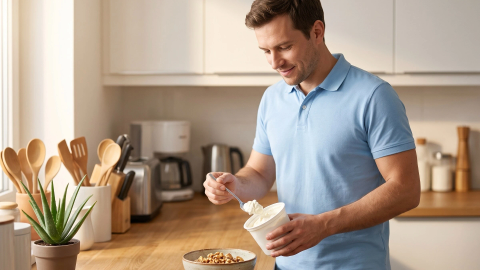
În plus față de binecunoscutul amestec B-Komplex de vitamine B, vitaminele individuale pot fi achiziționate și sub formă de sare. Pentru ce este bun? Binecunoscutul set de vitamine B este un bun supliment nutrițional, aveți o deficiență generală de vitamine în organism. Cu toate acestea, dacă nu abordați o problemă specifică, uneori tipul specific de vitamină pe care trebuie să îl completați este mai adecvat. Deci, de ce este necesară vitamina B2?
 Energie
Vitamina B2 Riboflavina
În plus față de binecunoscutul amestec B-Komplex de vitamine B, vitaminele individuale pot fi achiziționate și sub formă de sare. Pentru ce este bun? Binecunoscutul set de vitamine B este un bun supliment nutrițional, aveți o deficiență generală de vitamine în organism. Cu toate acestea, dacă nu abordați o problemă specifică, uneori tipul specific de vitamină pe care trebuie să îl completați este mai adecvat. Deci, de ce este necesară vitamina B2?
Vitamina B1 aparține grupelor B1 până la B12, pe care le numim în mod colectiv complexul B. Toate vitaminele din acest grup trebuie suplimentate sub această denumire. Dar am nevoie doar de una dintre ele? Aveți nevoie de întregul grup – cele mai importante vitamine din grupul B pot fi obținute separat.
 Energie
Vitamina B1 (tiamina)
Vitamina B1 aparține grupelor B1 până la B12, pe care le numim în mod colectiv complexul B. Toate vitaminele din acest grup trebuie suplimentate sub această denumire. Dar am nevoie doar de una dintre ele? Aveți nevoie de întregul grup – cele mai importante vitamine din grupul B pot fi obținute separat.
Există o scenă într-un film vechi în care bunica sau bunicul îi pun pe copii să bea o lingură de ulei de pește în fiecare dimineață. Copiii îl urăsc, are un gust dezgustător. "Dar veți fi sănătoși!" - este fraza bunicilor grijulii. De unde provine această afirmație? Este valabil și astăzi, doar că știința a reușit să transforme miraculosul ulei de pește în tablete sau extracte "obișnuite", fără gust normal.
 Sănătate
Acizii grași omega-3 vă protejează sistemul cardiovascular
Există o scenă într-un film vechi în care bunica sau bunicul îi pun pe copii să bea o lingură de ulei de pește în fiecare dimineață. Copiii îl urăsc, are un gust dezgustător. "Dar veți fi sănătoși!" - este fraza bunicilor grijulii. De unde provine această afirmație? Este valabil și astăzi, doar că știința a reușit să transforme miraculosul ulei de pește în tablete sau extracte "obișnuite", fără gust normal.
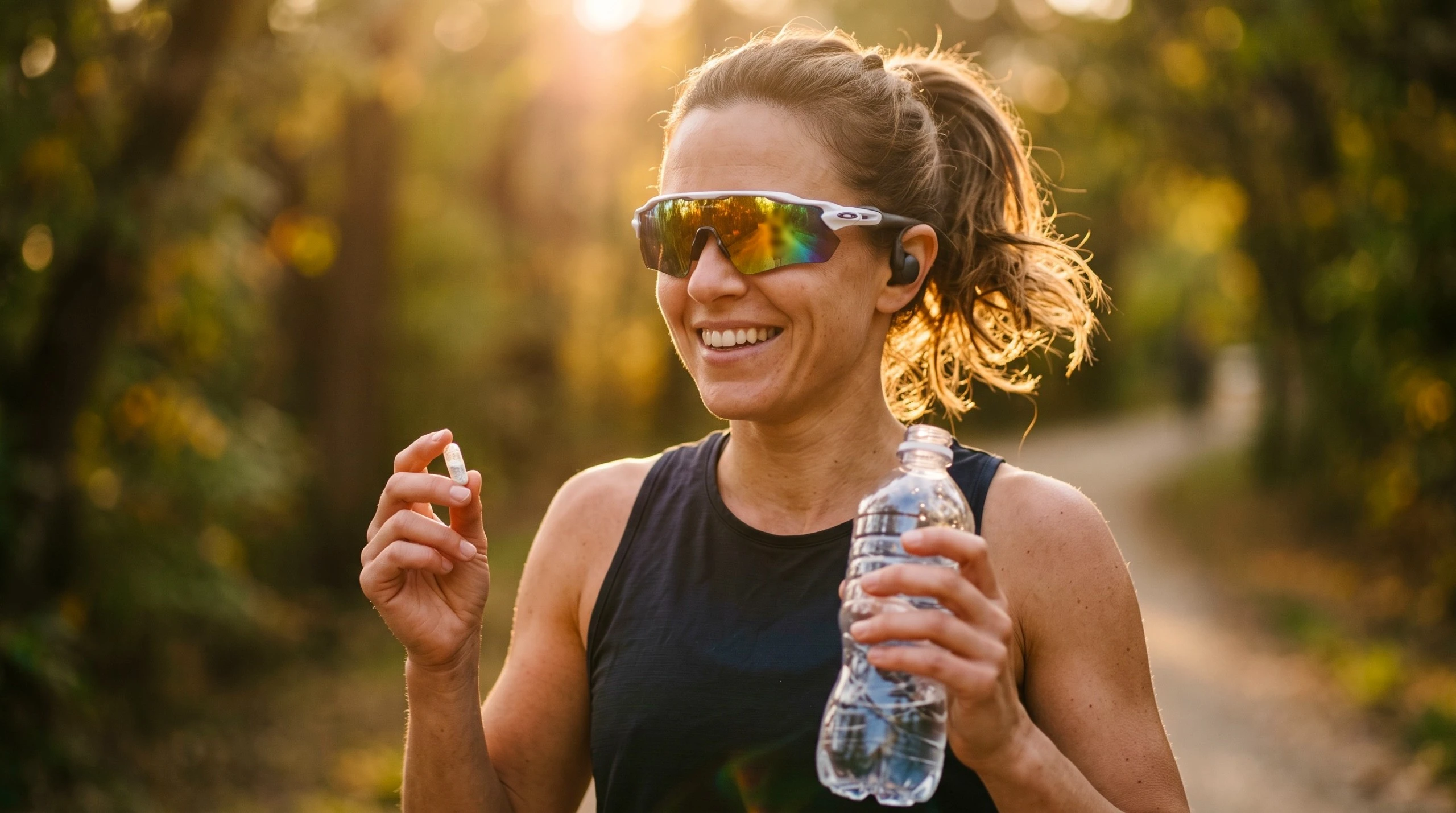
Poate ați observat și voi acest lucru la farmacie sau pe un magazin online: vitamina C clasică costă doar câteva euro, iar chiar lângă ea se află aceeași vitamină, cu mențiunea „lipozomală”, la un preț de trei până la patru ori mai mare.
 Sănătate
Merită să plătești în plus pentru vitaminele lipozomale?
Poate ați observat și voi acest lucru la farmacie sau pe un magazin online: vitamina C clasică costă doar câteva euro, iar chiar lângă ea se află aceeași vitamină, cu mențiunea „lipozomală”, la un preț de trei până la patru ori mai mare.
Aproape toată lumea cunoaște această imagine: o perie plină după o singură pieptănare, smocuri de păr în scurgerea de la duș și senzația neplăcută din stomac atunci când îți aranjezi părul în fața oglinzii.
 Frumusețe și piele
De ce vă cade părul în exces? 5 semnale discrete ale organismului care indică o carență de micronutrienți esențiali
Aproape toată lumea cunoaște această imagine: o perie plină după o singură pieptănare, smocuri de păr în scurgerea de la duș și senzația neplăcută din stomac atunci când îți aranjezi părul în fața oglinzii.
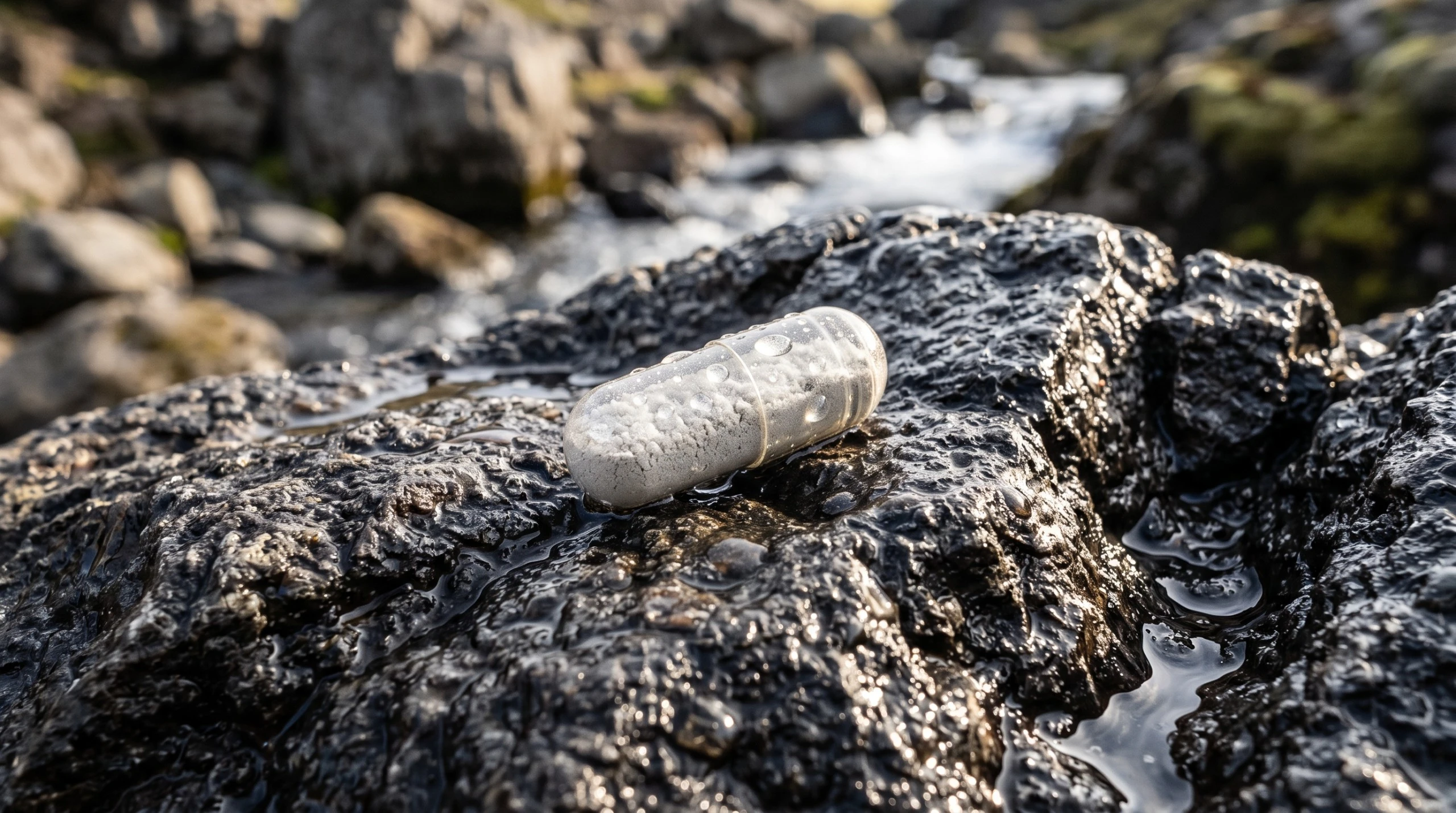
În încercarea de a face tot ce se poate pentru sănătatea noastră, apelăm adesea la tot felul de combinații de capsule și vitamine. Deși intenția este bună, organismul nostru nu funcționează ca un recipient în care poți turna orice, oricând. Multe vitamine utilizează aceleași căi de absorbție, se leagă de aceiași receptori sau modifică direct metabolismul celorlalte.
 Sănătate
Combinații nepotrivite de suplimente: Nu luați niciodată aceste substanțe în același timp
În încercarea de a face tot ce se poate pentru sănătatea noastră, apelăm adesea la tot felul de combinații de capsule și vitamine. Deși intenția este bună, organismul nostru nu funcționează ca un recipient în care poți turna orice, oricând. Multe vitamine utilizează aceleași căi de absorbție, se leagă de aceiași receptori sau modifică direct metabolismul celorlalte.
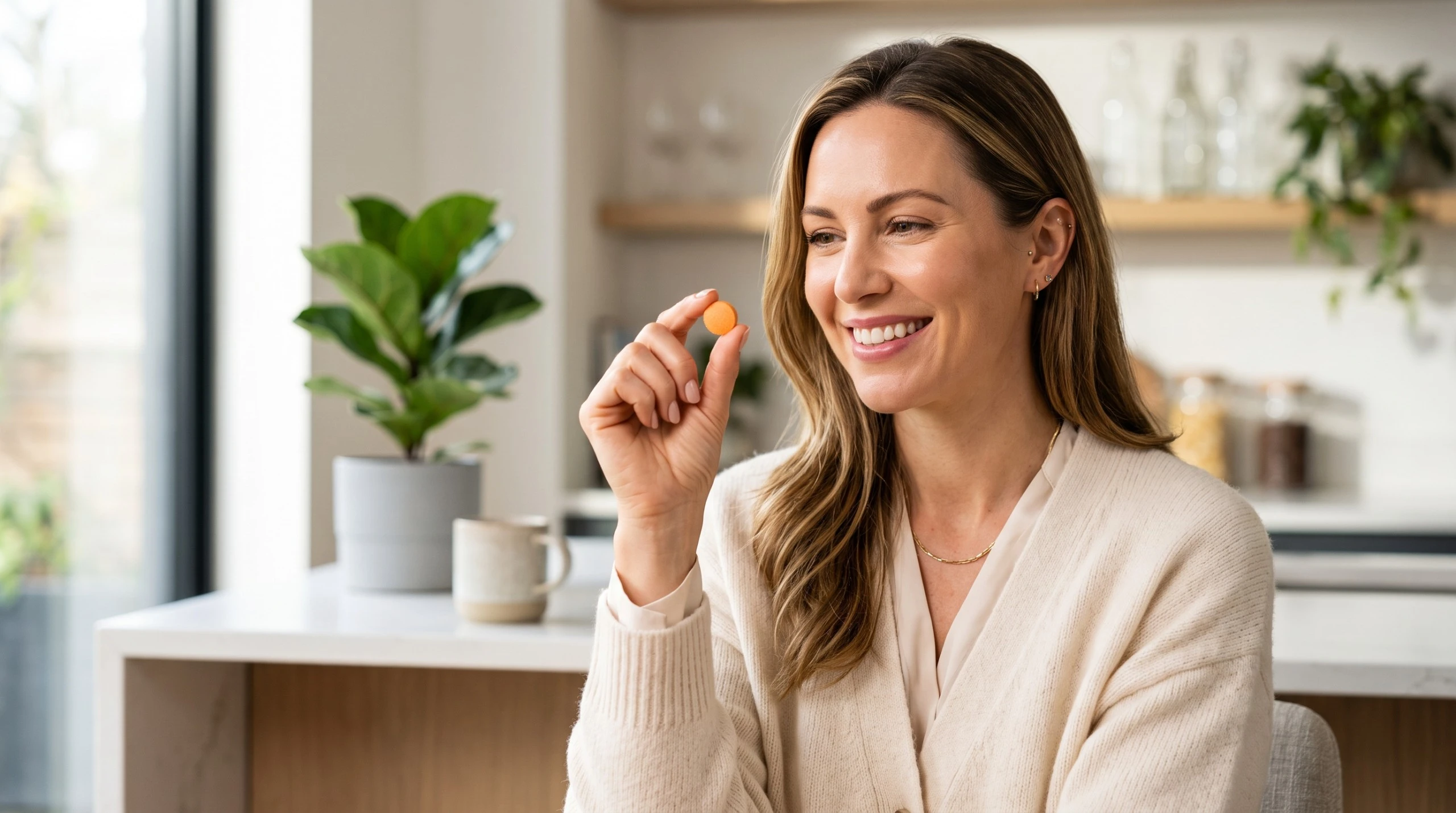
De îndată ce temperatura scade spre zero și se aude prima tuse în birou sau în autobuz, în multe gospodării se declanșează același ritual: un pahar cu apă și o tabletă efervescentă cu vitamina C, urmată de o doză aleatorie de picături cu vitamina D. Ne-am obișnuit să le considerăm ca pe un extingtoare – ceva ce scoatem din dulap în panică, când simțim deja o iritație în gât. Știința și biologia corpului uman funcționează însă altfel decât marketingul companiilor farmaceutice. În cazul ambelor vitamine, plătim adesea pentru un fals sentiment de siguranță.
 Sănătate
Mituri vs. realități despre vitaminele C și D: Când contribuie cu adevărat la întărirea imunității și când efectul nu se manifestă?
De îndată ce temperatura scade spre zero și se aude prima tuse în birou sau în autobuz, în multe gospodării se declanșează același ritual: un pahar cu apă și o tabletă efervescentă cu vitamina C, urmată de o doză aleatorie de picături cu vitamina D. Ne-am obișnuit să le considerăm ca pe un extingtoare – ceva ce scoatem din dulap în panică, când simțim deja o iritație în gât. Știința și biologia corpului uman funcționează însă altfel decât marketingul companiilor farmaceutice. În cazul ambelor vitamine, plătim adesea pentru un fals sentiment de siguranță.
Nasul înfundat, strănuturi inexplicabile, pete roșii pe piele sau crampe abdominale după un prânz aparent inofensiv. Dacă vă sunt familiare aceste simptome, probabil ați auzit deja de alergia sezonieră sau de intoleranța la histamină (HIT).
 Imunitate și vitalitate
Aveți probleme cu histamina? Aceste substanțe naturale calmează organismul
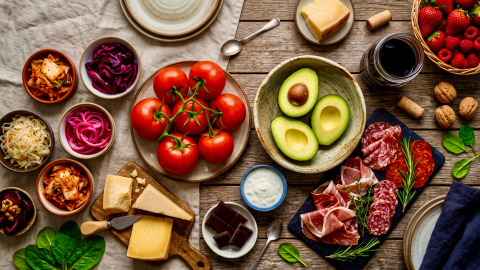
Nasul înfundat, strănuturi inexplicabile, pete roșii pe piele sau crampe abdominale după un prânz aparent inofensiv. Dacă vă sunt familiare aceste simptome, probabil ați auzit deja de alergia sezonieră sau de intoleranța la histamină (HIT).
Trăim într-o epocă în care tensiunea constantă și suprasolicitarea sistemului nervos sunt aproape o normă socială. Stresul cronic și anxietatea care se strecoară neplăcut nu mai sunt de mult doar noțiuni psihologice abstracte. Acestea se manifestă prin senzația de nod în stomac, un flux nesfârșit de gânduri înainte de culcare și un sentiment de epuizare din care nu te poți trezi pur și simplu odată cu somnul. Ca și cum asta nu ar fi de ajuns, printre simptomele neplăcute le putem include și problemele stomacale. Deși somnul, mișcarea și modificarea stilului nostru de viață rămân fundamentul echilibrului psihic, în timpul unei tensiuni nervoase de lungă durată, corpul nostru consumă micronutrienți esențiali și, în același timp, cere ajutor.
 Sănătate
Cum să reduci nivelul de stres fără medicamente: 5 suplimente cu efecte reale
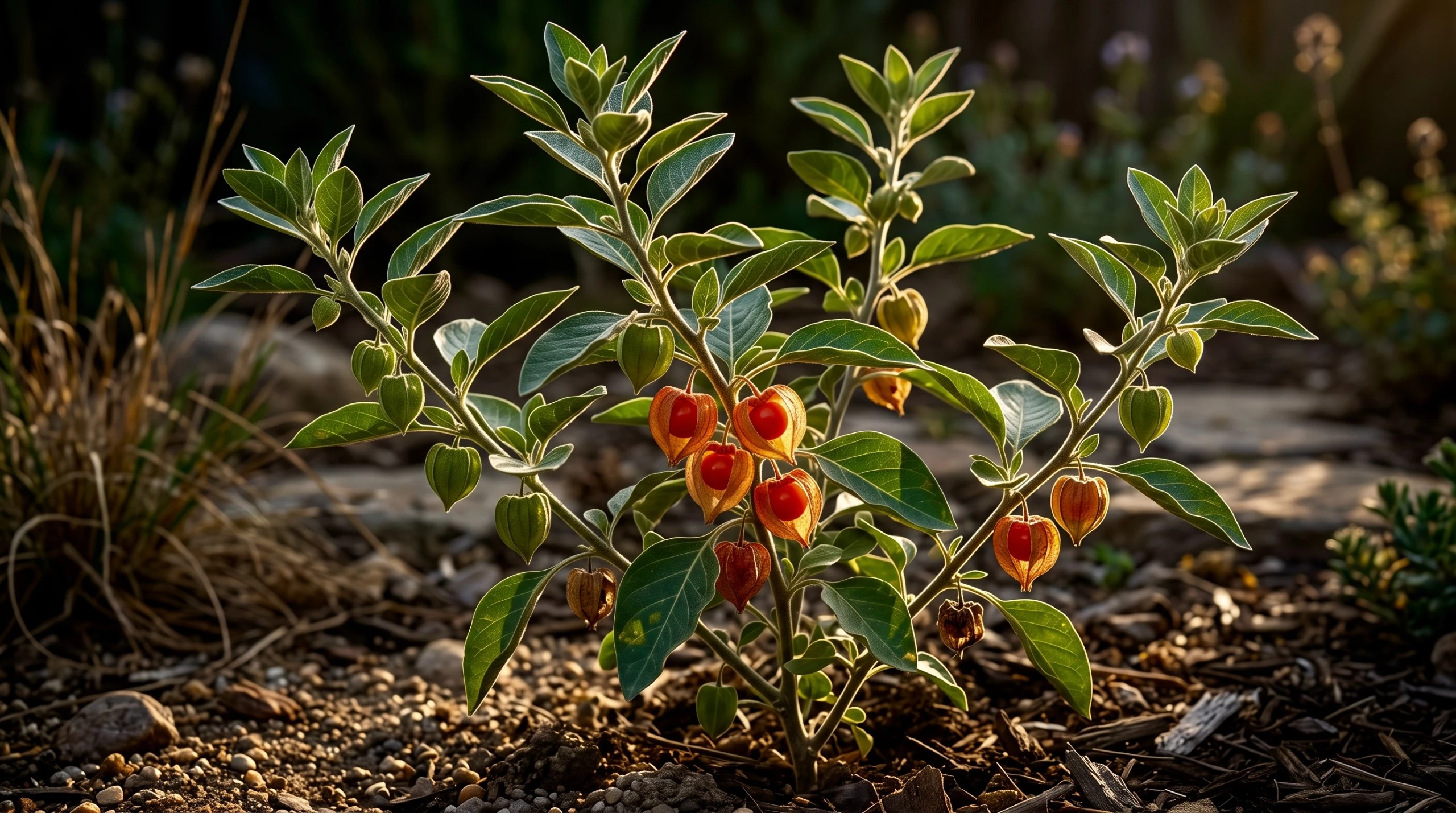
Trăim într-o epocă în care tensiunea constantă și suprasolicitarea sistemului nervos sunt aproape o normă socială. Stresul cronic și anxietatea care se strecoară neplăcut nu mai sunt de mult doar noțiuni psihologice abstracte. Acestea se manifestă prin senzația de nod în stomac, un flux nesfârșit de gânduri înainte de culcare și un sentiment de epuizare din care nu te poți trezi pur și simplu odată cu somnul. Ca și cum asta nu ar fi de ajuns, printre simptomele neplăcute le putem include și problemele stomacale. Deși somnul, mișcarea și modificarea stilului nostru de viață rămân fundamentul echilibrului psihic, în timpul unei tensiuni nervoase de lungă durată, corpul nostru consumă micronutrienți esențiali și, în același timp, cere ajutor.
Diminețile încep să fie mai reci, zilele se scurtează inexorabil, iar ceața de dimineață ne amintește că vara a cedat definitiv locul toamnei. Însă, odată cu puloverele groase și ceasca de ceai fierbinte, vine și perioada în care organismul nostru este pus la încercare. Vremea mai rece, spațiile aglomerate și lipsa soarelui natural creează condiții ideale pentru oboseala sezonieră și pentru microbii nedoriți.
 Energie
5 vitamine pe care ar trebui să le incluzi în rutina ta zilnică odată cu venirea toamnei. Le iei și tu?
Diminețile încep să fie mai reci, zilele se scurtează inexorabil, iar ceața de dimineață ne amintește că vara a cedat definitiv locul toamnei. Însă, odată cu puloverele groase și ceasca de ceai fierbinte, vine și perioada în care organismul nostru este pus la încercare. Vremea mai rece, spațiile aglomerate și lipsa soarelui natural creează condiții ideale pentru oboseala sezonieră și pentru microbii nedoriți.
Imaginați-vă o lume în care s-ar aștepta ca un smartphone să funcționeze la 100 % din capacitate, chiar dacă bateria este încărcată doar la 12 %. Exact asta le face societatea modernă femeilor – și, ce e și mai grav, adesea ne facem asta singure.
 Imunitate și vitalitate
Lumea funcționează 24 de ore din 24. Corpul femeii, însă, nu!
Imaginați-vă o lume în care s-ar aștepta ca un smartphone să funcționeze la 100 % din capacitate, chiar dacă bateria este încărcată doar la 12 %. Exact asta le face societatea modernă femeilor – și, ce e și mai grav, adesea ne facem asta singure.
Cunoașteți senzația aceea când sună ceasul deșteptător dimineața și aveți impresia că nu ați dormit deloc? Aveți capul greu, gândurile încețoșate, iar primul lucru la care vă gândiți este o ceașcă uriașă de cafea. În lumea agitată de astăzi, ne-am obișnuit cumva să considerăm lipsa somnului un preț obișnuit și o parte a vieții moderne. Adevărul este însă că somnul nu este un lux sau o pierdere pasivă de timp. Este un pilon fundamental al sănătății noastre fizice și al echilibrului și stării de bine psihice interioare. Haideți să vedem împreună ce se întâmplă cu noi când dormim și cum putem ajuta corpul, într-un mod delicat, să se bucure de o odihnă profundă și neîntreruptă.
 Imunitate și vitalitate
De ce somnul de calitate este superputerea ta secretă și cum poți să te bucuri în sfârșit de el?
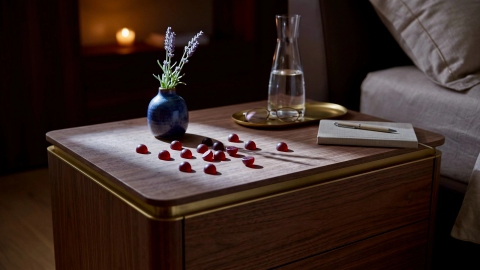
Cunoașteți senzația aceea când sună ceasul deșteptător dimineața și aveți impresia că nu ați dormit deloc? Aveți capul greu, gândurile încețoșate, iar primul lucru la care vă gândiți este o ceașcă uriașă de cafea. În lumea agitată de astăzi, ne-am obișnuit cumva să considerăm lipsa somnului un preț obișnuit și o parte a vieții moderne. Adevărul este însă că somnul nu este un lux sau o pierdere pasivă de timp. Este un pilon fundamental al sănătății noastre fizice și al echilibrului și stării de bine psihice interioare. Haideți să vedem împreună ce se întâmplă cu noi când dormim și cum putem ajuta corpul, într-un mod delicat, să se bucure de o odihnă profundă și neîntreruptă.
Imaginați-vă că organismul dumneavoastră are propriul său gardian personal, care veghează neîncetat și vă protejează celulele împotriva deteriorării, îmbătrânirii și bolilor. Exact acest rol îl joacă vitamina E. Acest puternic antioxidant, adesea trecut cu vederea în umbra mai popularei vitamine C, este, de fapt, cheia absolută a vitalității generale.
 Imunitate și vitalitate
Vitamina E: un scut invizibil pentru frumusețea, tinerețea și sănătatea ta
Imaginați-vă că organismul dumneavoastră are propriul său gardian personal, care veghează neîncetat și vă protejează celulele împotriva deteriorării, îmbătrânirii și bolilor. Exact acest rol îl joacă vitamina E. Acest puternic antioxidant, adesea trecut cu vederea în umbra mai popularei vitamine C, este, de fapt, cheia absolută a vitalității generale.
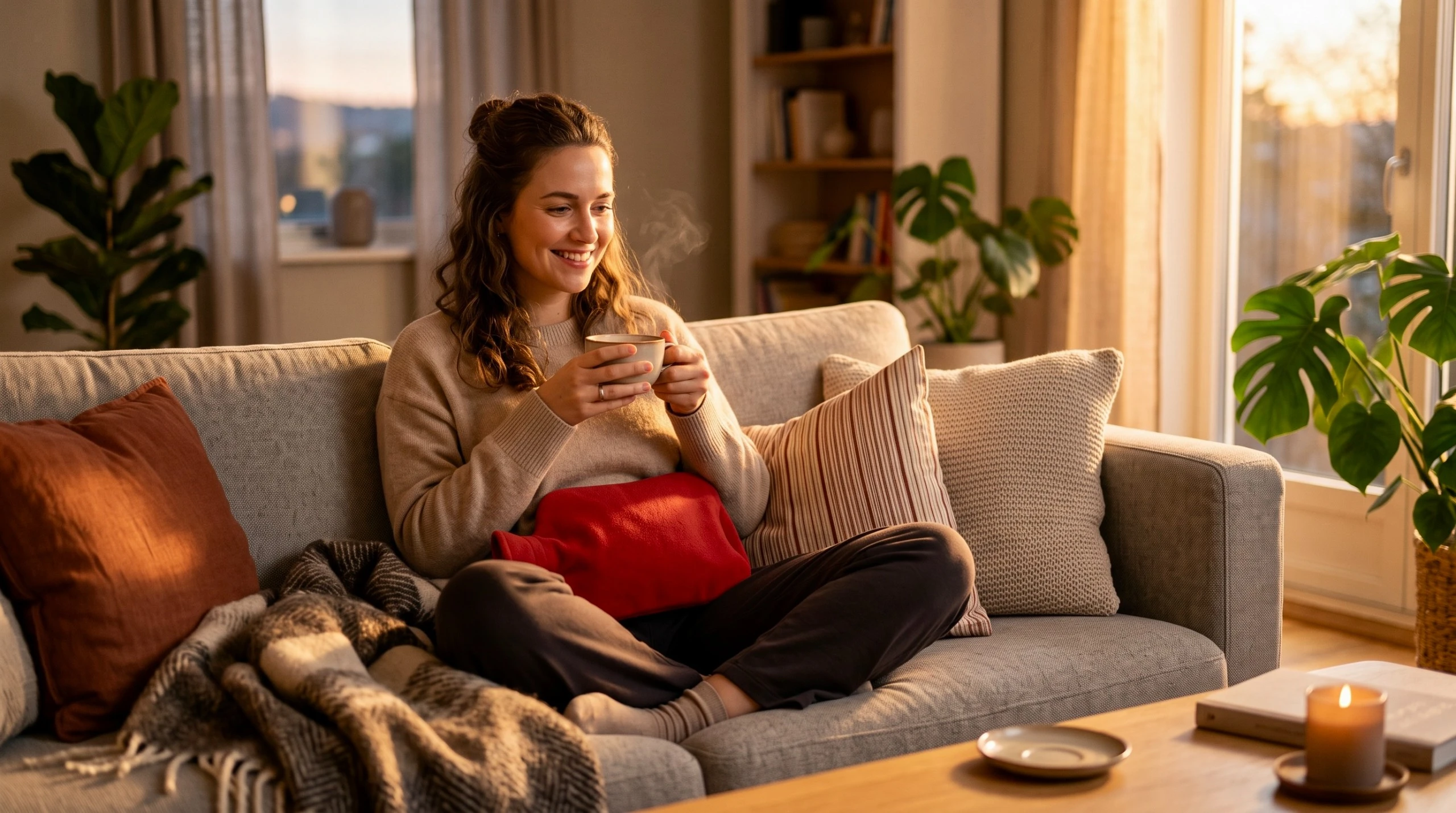
Când se vorbește despre vitamina D, majoritatea dintre noi ne gândim la oase sănătoase, la un sistem imunitar mai puternic sau la bronzul de vară. Pentru organismul feminin, însă, acest element discret înseamnă mult mai mult. Medicii confirmă astăzi un fapt surprinzător: vitamina D se comportă în organism mai degrabă ca un hormon decât ca o vitamină obișnuită.
 Imunitate și vitalitate
Dirijorul ascuns al ciclului menstrual: De ce vitamina D este mai mult un hormon decât o simplă vitamină?
Când se vorbește despre vitamina D, majoritatea dintre noi ne gândim la oase sănătoase, la un sistem imunitar mai puternic sau la bronzul de vară. Pentru organismul feminin, însă, acest element discret înseamnă mult mai mult. Medicii confirmă astăzi un fapt surprinzător: vitamina D se comportă în organism mai degrabă ca un hormon decât ca o vitamină obișnuită.
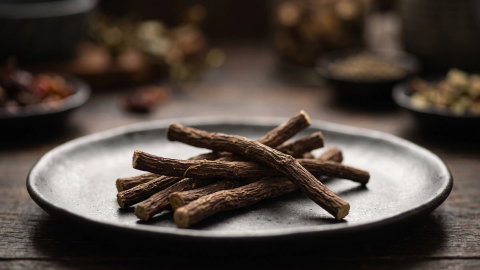
Când se spune „lemn dulce”, multora dintre noi ne vine imediat în minte gustul specific al lemnului dulce negru din copilărie. Această plantă neînsemnată, denumită științific Glycyrrhiza glabra, ascunde însă mult mai mult decât o simplă amintire nostalgică a dulciurilor. Timp de milenii, a fost piatra de temelie a medicinei tradiționale chinezești, indiene și grecești. Astăzi revine în forță pe scena medicală – sub forma unor suplimente alimentare extrem de eficiente.
 Articulații și mișcare
Batonul dulce cunoaște o renaștere în suplimentele alimentare moderne
Când se spune „lemn dulce”, multora dintre noi ne vine imediat în minte gustul specific al lemnului dulce negru din copilărie. Această plantă neînsemnată, denumită științific Glycyrrhiza glabra, ascunde însă mult mai mult decât o simplă amintire nostalgică a dulciurilor. Timp de milenii, a fost piatra de temelie a medicinei tradiționale chinezești, indiene și grecești. Astăzi revine în forță pe scena medicală – sub forma unor suplimente alimentare extrem de eficiente.

















 Altele